On Taste, As Instinct
IN GOOD TASTE with Karim Massoud
The Ghannouj Gazette
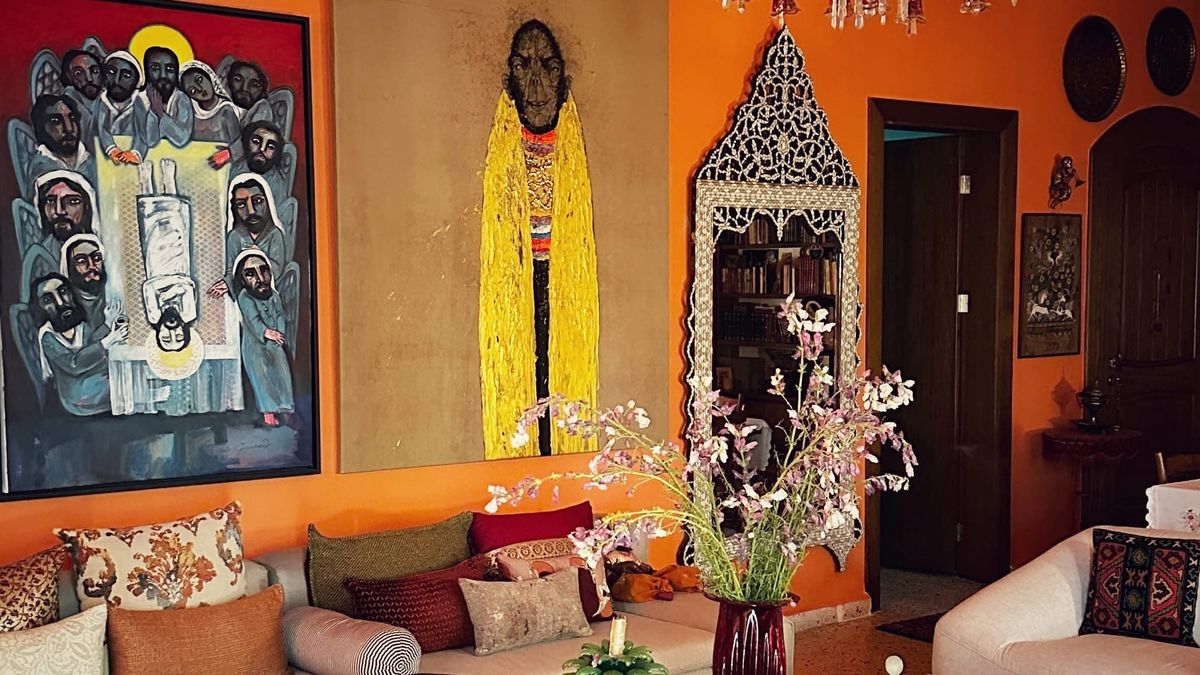
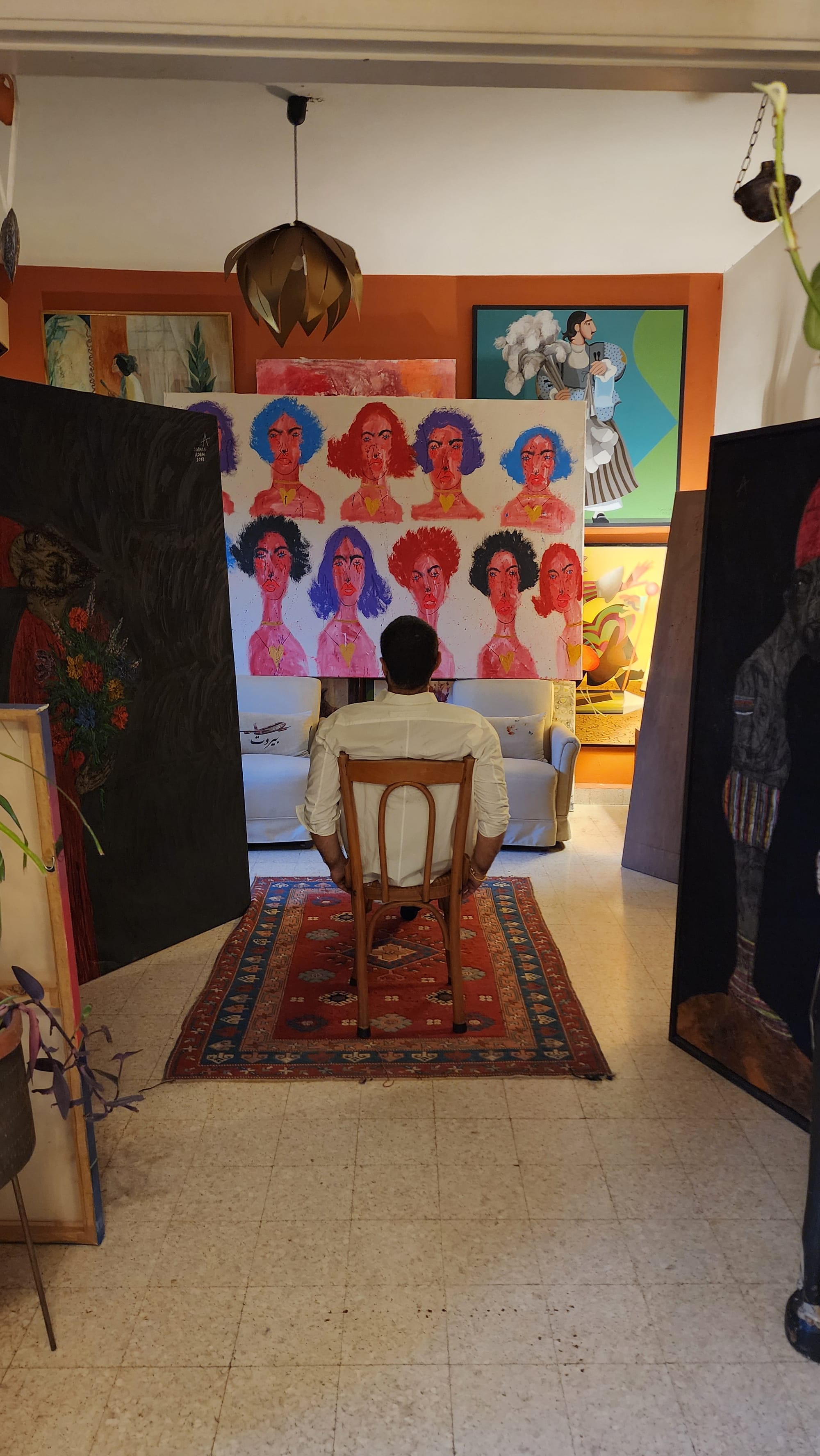
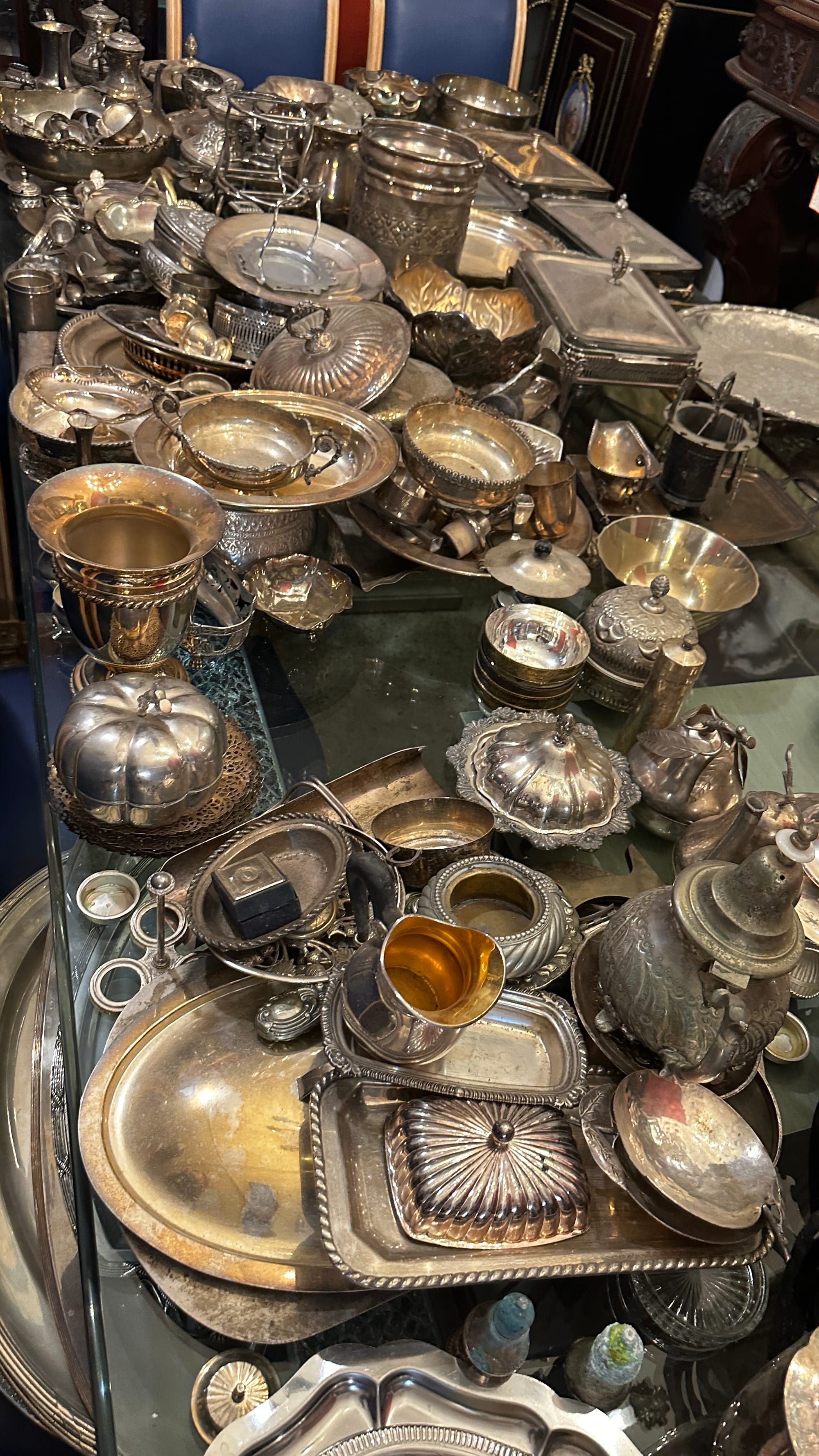
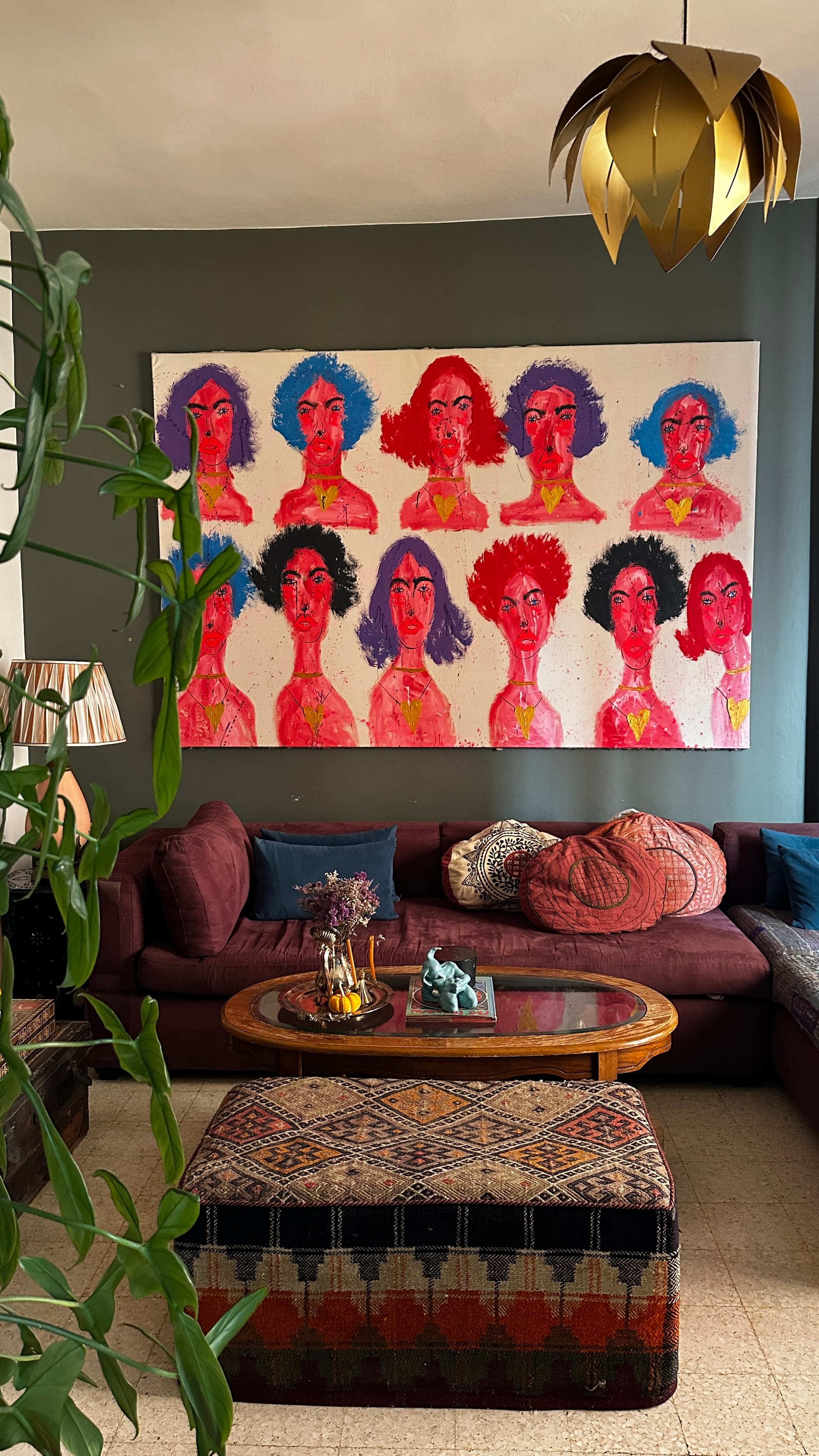
The incense reaches you before anything else. Then the silver salvers and goblets were arranged on a long table with the quiet confidence of objects that have been placed, then reconsidered, then placed again. Beirut Black Cat occupies a corner of the city that the explosion didn't spare, but inside, Karim Massoud has arranged a world so deliberate it functions as a counter-argument. He talks about paintings the way other people talk about people. He cries when they leave. He films them one last time. He has never, he says, bought anything he could live without — which may explain why his home is also, in some sense, a gallery, and his gallery, in every sense, a home.
Karim was raised in the south of Lebanon under occupation, in a household shaped by war, shelters, and the particular ingenuity of people determined to make beauty anyway. He studied law. He stayed in Beirut. He became a gallerist, a collector, a man whose eye for what matters was trained not in any academy but in the discipline of survival — and in the long, private education of paying attention. Today, Beirut Black Cat is less a gallery than a living system: paintings in conversation with silverware, books stacked with the logic of someone who actually reads them, objects that arrived with histories and were given new ones. Nothing here is decorative. Everything has been decided.
On Taste & Instinct
What does taste mean to you — not as curation, but as instinct?
Taste is about first reactions. The colour that catches me off guard. The chair I suddenly can't live without. The scent of a dish I want the moment it enters the room. Sometimes it's a piece of clothing that feels like it remembered me before I saw it.
Your filter for acquiring things seems unusually clear.
I only buy what I cannot live without. Everything here passed that test. I don't always know why something passes — I just know when it doesn't.
On Ritual & Memory
A small ritual you return to.
My grandmother used to serve labneh in small red and blue coffee cups. I still do this sometimes. It pulls me back to something solid. It tastes like love.
One object in your home that holds a story only you can tell.
A small table that followed me from law school. I didn't plan it — it just came along. It holds a plant now, but every time I walk past it, I see myself in my first days in Beirut, arriving from the village, just beginning.
A childhood memory that still shapes how you see beauty
I was born under occupation. War was the wallpaper of my early years. But over time, I've transformed those memories — that's why I still care for my family home in the south, near the conflict zone. I turned war into a garden, trauma into a table setting. It's how I survive: by designing joy.
On Objects & Collecting
The last thing you bought that you truly loved.
Silver. Salvers, goblets, trays, and a champagne cooler. They came from a woman who wanted them to find a home where they'd be cherished — that was enough for me. Giving objects a second life is an act of care.
And the thing you've been quietly eyeing but haven't yet allowed yourself.
I thought I'd acquired everything I ever wanted. Then I discovered I hadn't. I long for a work by Selwan Ibrahim — his Feather Man has moved out and came back into my life like an echo. And beyond art: a rare, hand-woven silk wall carpet. The kind that whispers when you walk past it.
What do you collect, knowingly or not?
Art, yes. Silverware, definitely. Salt and pepper figurines, to my own surprise. I've stopped with magnets and cookbooks — mostly because I no longer cook.
On Art & Loss
You live with art all around you. How do you decide what stays and what goes?
Everything I own reflects my deepest choices. But selling is never easy. When a painting leaves, I light incense and talk to it. Sometimes I film it one last time. It's like saying goodbye to a friend who's leaving for a country you may never reach. You're proud. Your heart aches anyway.
A piece of art that changed your day — or your direction.
andFor those of us in the diaspora, owning a Safa is like owning a memory. A living one.
On Beirut & Identity
How has Beirut shaped your sense of beauty?
Beirut, Fairouz, my mother — they have the same impact on me. Like my mother, I could never abandon Beirut. It's a complicated, almost impossible relationship — partly a burden, partly a devotion. For years, I felt I was loving the city alone. Then it started to love me back. That's when I knew I was staying — not out of obligation, but devotion.
A book you return to, or always give away.
Beirut Madinat Al-Alam by Rabih Jaber. Three volumes, one family, and the whole spirit of the city underneath. I give the first part often — it's like handing someone a key and watching them decide whether to use it.
One place you go to refill.
The Red House in Marjayoun, in the south. Where silence becomes sound again.
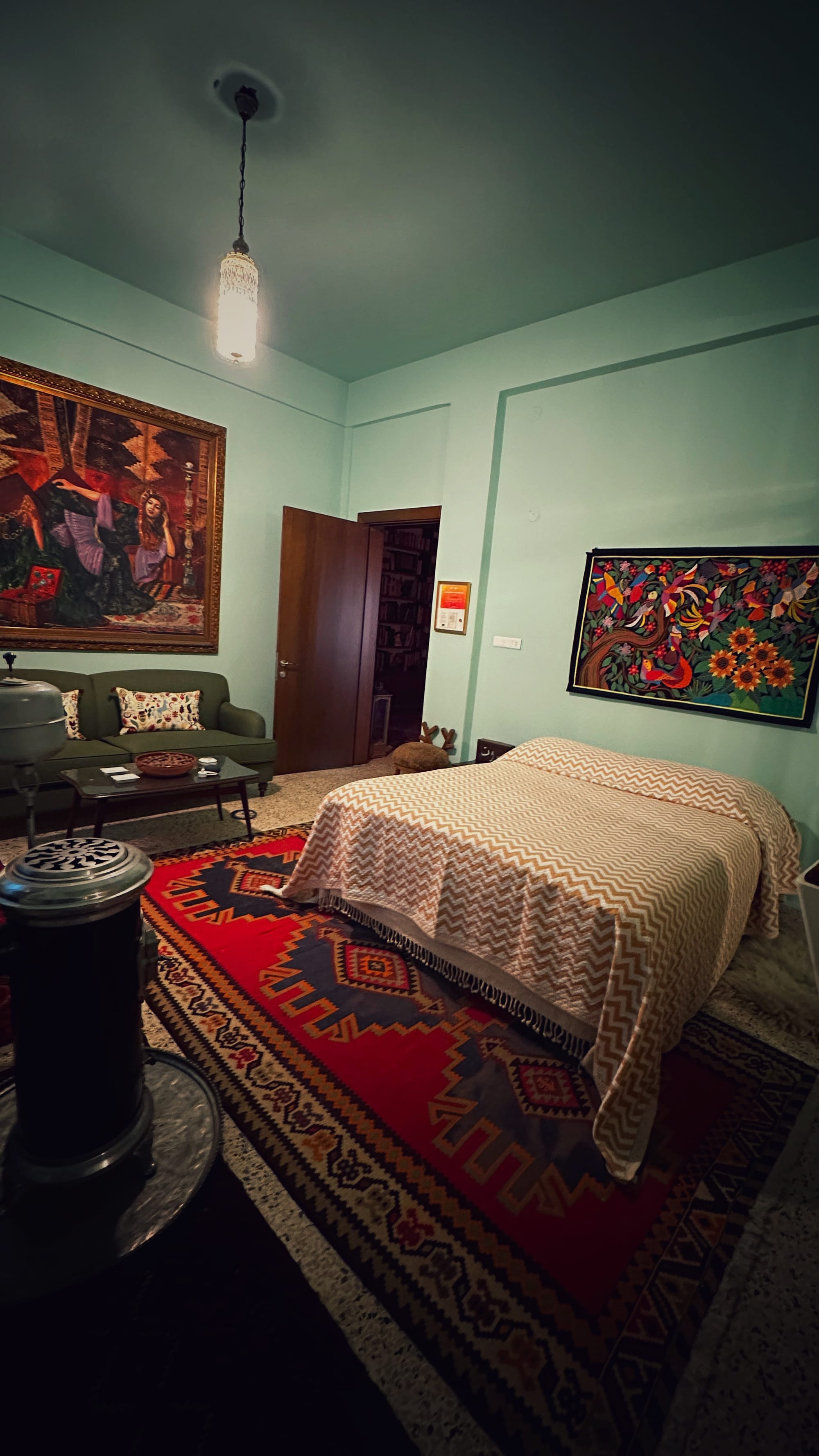
On Scent & Home
A scent that feels like home. Freshly washed clothes straight from the machine. Every time my mother opened it, that warm, soapy fragrance would fill the corridor before the clothes were hung to dry. That scent is my mother. My childhood. My whole idea of what comfort is.
The best gift you've received. The best one you've given.
Electronic, embarrassingly — a speaker with beautiful bass changed my life. As for what I give: Damascene mirrors, painted glass, and folkloric figures. Never wine. Never clothes. Always objects that keep speaking once they've been unwrapped.
If your taste had a soundtrack.
Al Jamilat by Yasmine Hamdan.
and
The incense has burned down by now. The silver still catches the light. On the way out, you notice a painting you hadn't seen on arrival — it was always there, watching, waiting for the room to empty just enough.