Good Enough to Stop Explaining Itself
A curated selection from the Gazette — a Paris market, a Danish farm, a Belgian restaurant, two kitchen tools, and a novel about appetite.

There is a type of market that has decided, at some point, that it is not performing. The vendors shout. The produce is stacked directly on the crate. There is a woman in an apron arguing about the price of leeks next to a young man buying celeriac. It is uncurated. It is not a show put on for tourists; it is a living, breathing neighbourhood that has looked and smelled roughly the same for a hundred years. This is the Marché d'Aligre in Paris's 12th arrondissement. One of the oldest markets in the city, it survived the turbulent events of 1789 and 1871 and continues to sell cheap food as if the city around it hadn't changed one bit. Most of the current vendors are third- or fourth-generation stalls and even permits passed down from father to son. Inside the covered Beauvau hall, it is quiet, cool, and smells of truffle oil and aged goat cheese. Outside on the street, seasonal fruit and vegetables at a dollar or two a kilo. The market does not need your approval. It was here before you were born and it will be here when you leave.
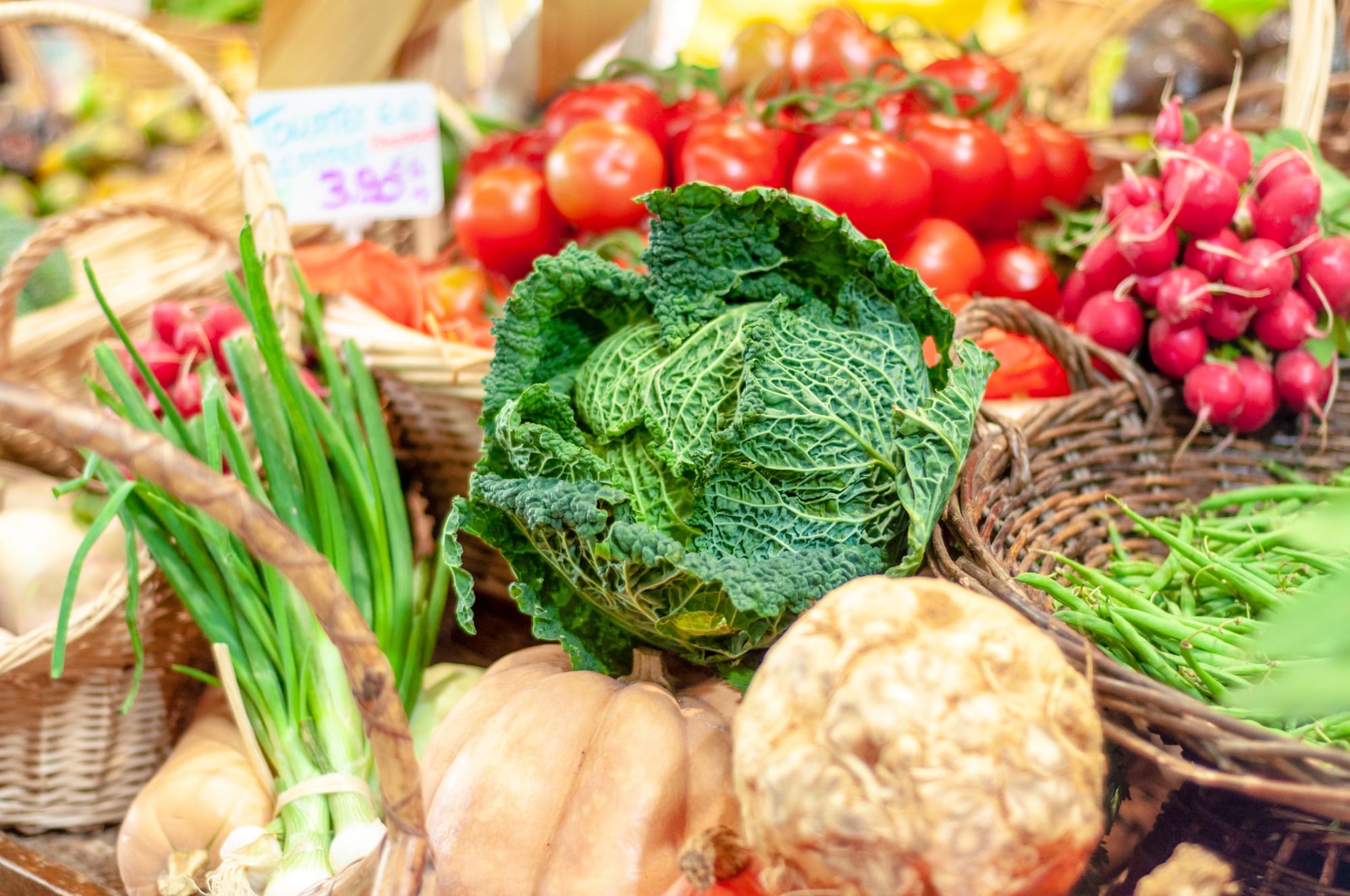
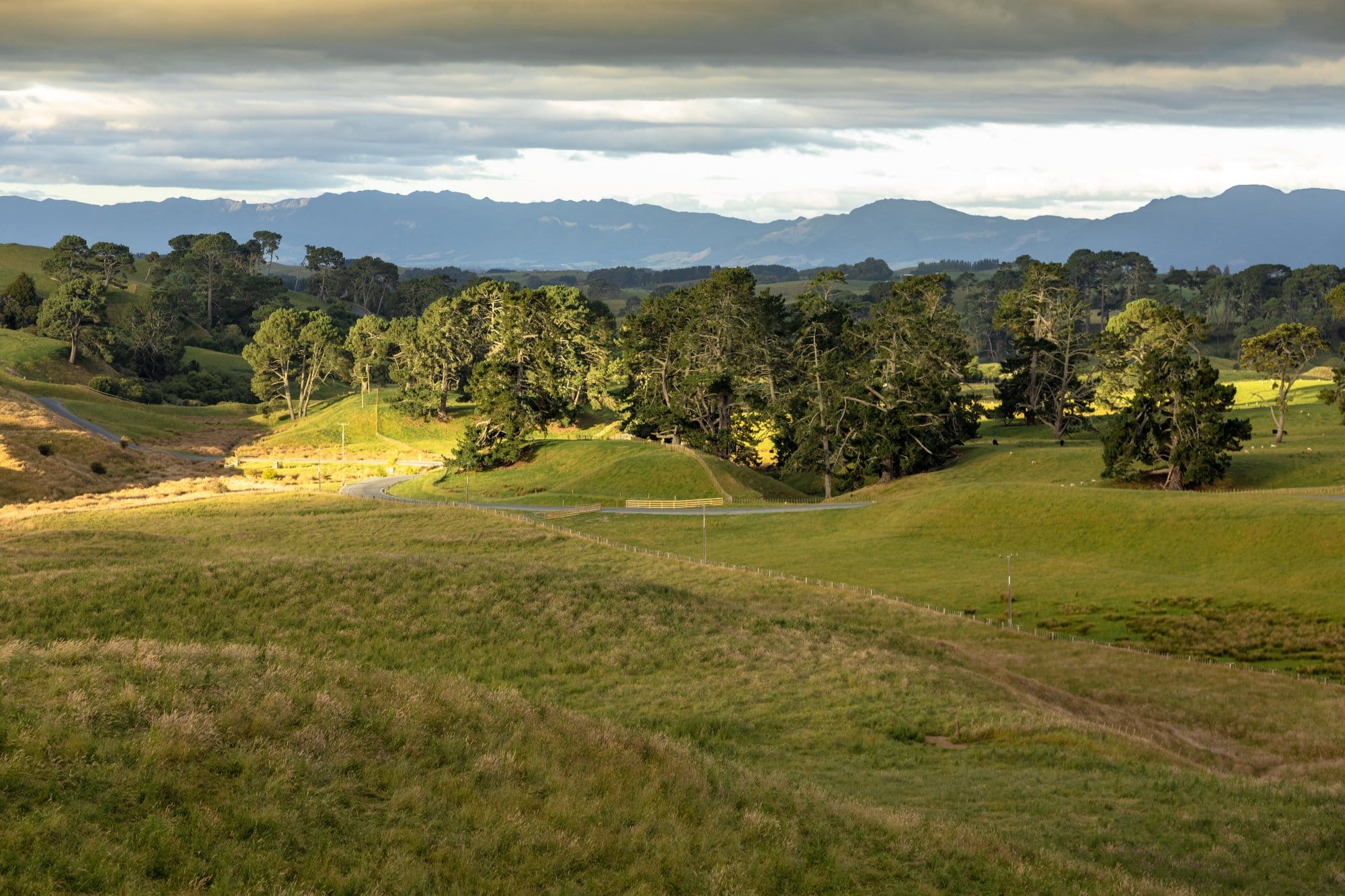
The produce Aligre cannot grow; someone in West Zealand is growing. Kiselgården in Ugerløse is a farm on 70 hectares of heavy clay soil, founded on biodynamic principles by Ejgil and Lis Rasmussen in 1985, now run by their son Ask and his partner Amy. They grow between 350 and 400 different products — carrots, potatoes, celeriac, spinach, fennel, lettuces, beans — and have deliberately chosen not to tie themselves to large wholesalers. Orders arrive from restaurants in the afternoon, the vegetables are packed in the evening, and the vegetables are delivered the next morning. Among those restaurants are Noma and Geranium. You have almost certainly eaten their produce on a plate at one of the world's best restaurants without knowing the farm's name. The farm has no interest in changing this. It has only wanted to grow good vegetables in a field. This turns out, in forty years, to be enough.
North of Ostend, on the Belgian coast, Willem Hiele cooks from a landscape that does not negotiate. The menu changes daily — it is this spontaneity and cooking in the moment that characterise the kitchen. He translates the harsh character of the sea and nature into dishes bearing his highly personal and delicate hallmark. His signature turbot is grilled over three types of wood and covered with burlap soaked in seawater — simultaneously grilled, smoked, steamed — and served simply, with a sauce made from the bones. No lactose-free option, no vegetarian menu, no menu without fish or seafood. The North Sea is not accommodating. Neither is Willem Hiele, with elegance.

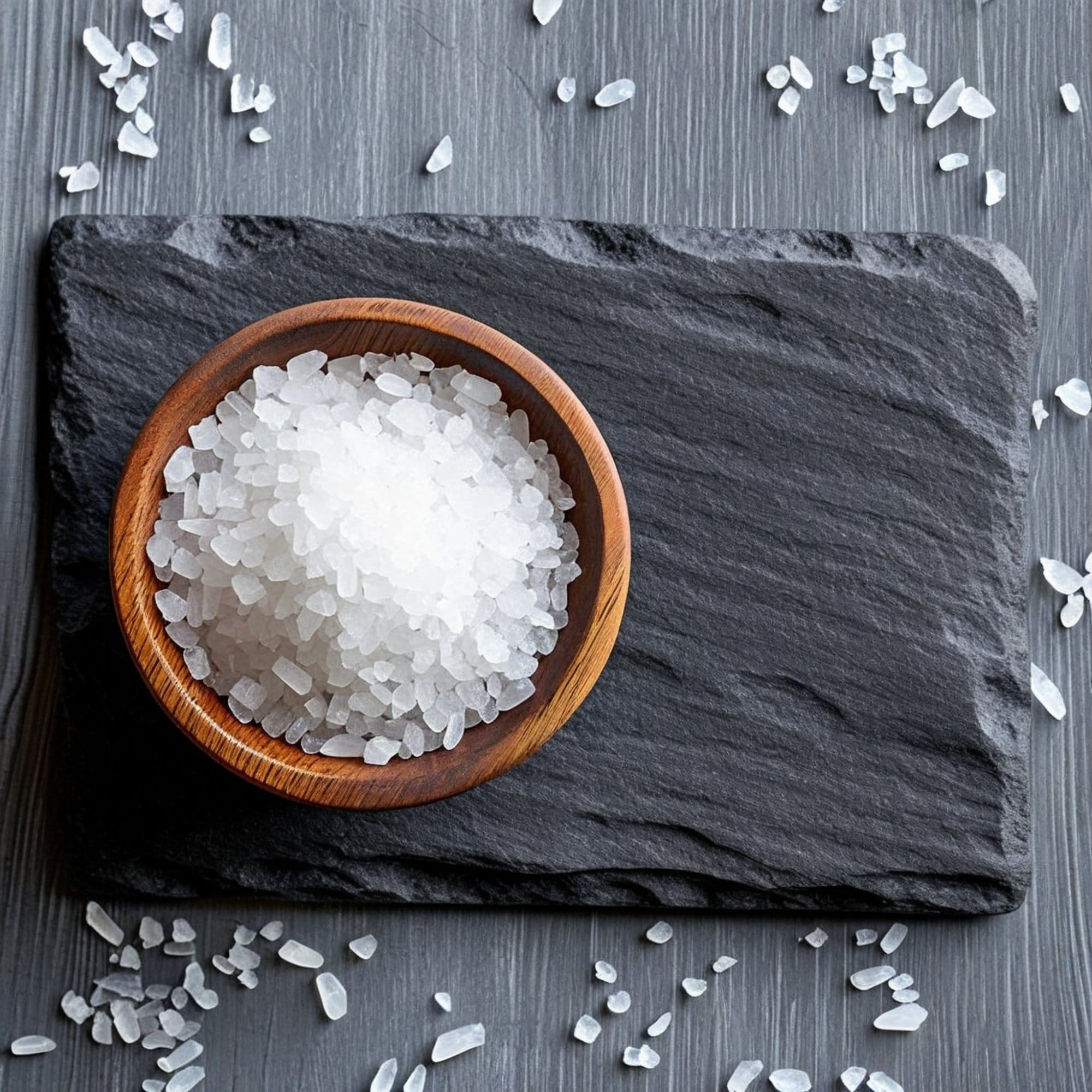
What the market, the farm, and the restaurant share is a refusal to accept the idea of quality. They are simply practising it, daily, without announcement. The same logic applies to what we bring home. The Aarke water purifier is a glass carafe with a refillable stainless-steel filter cartridge. No plastic disposables — just granules inside a reusable steel cartridge. It sits on the counter and does not demand attention. It makes your water, and therefore your coffee, taste better. The Benriner mandoline has been in professional kitchens since 1940. The stainless-steel blades are compressed, heat-treated, and hand-finished in Yamaguchi Prefecture — with quality comparable to that of knives. It looks like it was bought from a hardware fair. It costs roughly what you would spend on a starter at Willem Hiele. It will outlast everything else in the kitchen. And then there is salt. Sea salt production in Maldon dates back to Roman Britain. The large, visible flakes let you see exactly how much you're applying. You pinch them between your fingers, crumble them over what you've made, and the dish changes.

In Asako Yuzuki's Butter, journalist Rika Machida unlocks her subject — a convicted killer who refuses all press — by asking her for a recipe. The visits that follow are closer to a masterclass in food than journalistic research. Something is awakening in Rika's body with each meal she eats. The book understands, from its first page, that appetite is not decorative. It is structural. It is the thing underneath the rest. Eating gets sexy in this offbeat confidence tale. What Yuzuki grasps — and what this entire selection shares — is that the most serious engagement with food happens when no one is trying to make it beautiful. When the market vendor has been at his stall since five in the morning. When the farm delivers overnight without asking for credit. When the fish is whatever came in this morning. When the tool is beige plastic and has been working without complaint for a decade. When the book is, in the end, about what it means to want something without apology.
None of this is about restraint. It is about earning it.