Who Built England
Morris has not written the history of England. He has written the history of its kings — which is faster, funnier, and more politically urgent than most of his contemporaries dare. As starting points go, it is a very good one.
The Shelf — Book Review
Marc Morris has a particular gift: making it impossible to be bored by a period most people only encounter through pub quizzes and school syllabi. The Anglo-Saxons: A History of the Beginnings of England is not a survey. It is an argument—that England was not found, or gifted, or slowly discovered, but built, imperfectly and repeatedly, by people who had no idea they were building anything permanent.
The structure is biographical, which is both the book's greatest asset and its clearest limitation. Morris moves through the centuries via the people who shaped them: Wilfrid, the ecclesiastical careerist who mistook ambition for piety; Offa, who built a wall across the landscape and called it policy; Alfred, intellectually restless and militarily reluctant; Æthelstan, who collected titles the way other men collected debts. Each figure is drawn with the same controlled irreverence—competent, flawed, recognisably human in ways that medieval historiography rarely permits.
Morris resists the temptation to canonise. That is rarer than it sounds. The period has a long tradition of being handled as though it requires defending, as though its figures must be made heroic to justify the space they occupy on the shelf. Morris refuses this. Harold, so frequently cast as the tragic protagonist of 1066, is given no more romantic treatment than the others. He made his decisions. They did not hold. The prose notes this without ceremony.
Where the book earns its authority is in its refusal to treat the early medieval as inherently remote. The Viking raids, the shifting alliances, the slow accumulation of ecclesiastical power—Morris renders these not as distant drama but as contingent choices made under pressure. The impression left is less of an age shrouded in mist and more of one that was simply very loud, very dangerous, and very busy.
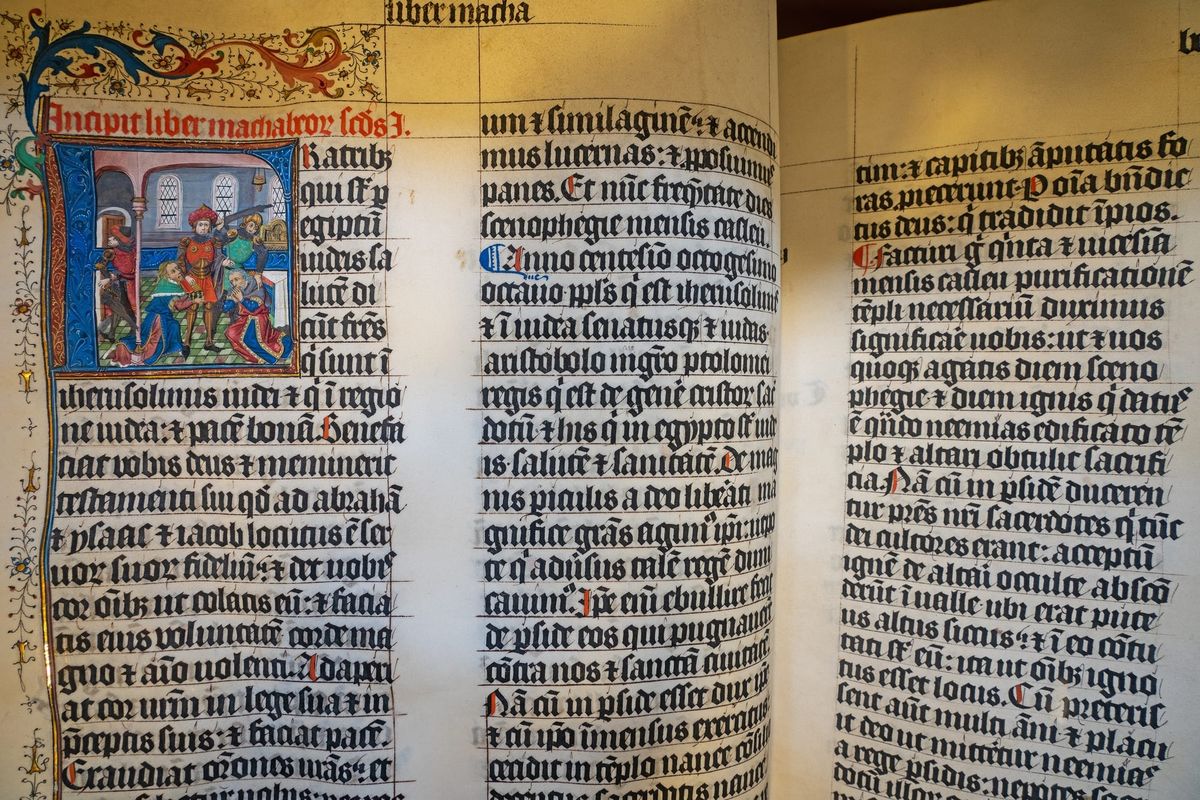
But the shape of the book reveals its absences. The women are here in the margins: Æthelflæd, Lady of the Mercians, holds what amounts to a supporting role in a story she arguably co-authored. The manuscript culture, the poetry, the monastic schools that were quietly laying the intellectual architecture of a future nation—these receive a paragraph where they might have warranted a chapter. Morris has written the history of England's political formation. That is not the same as the history of England.
This is not a reason to put the book down. It is a reason to read it with the awareness that what you are holding is one answer to the question of who built England—the warriors and kings, the men who left the most paper trail. The quieter builders, the ones working in vellum and vernacular verse, are waiting for a different book.
Morris has not written that book. He has written something faster, funnier, and more politically urgent than most of his contemporaries dare. As starting points go, it is a very good one.