She Waited. That Was the Whole of It.
Annie Ernaux's Simple Passion is not a love story. It is a forensic account of a woman who has reorganised her life around waiting — and what that waiting costs her.
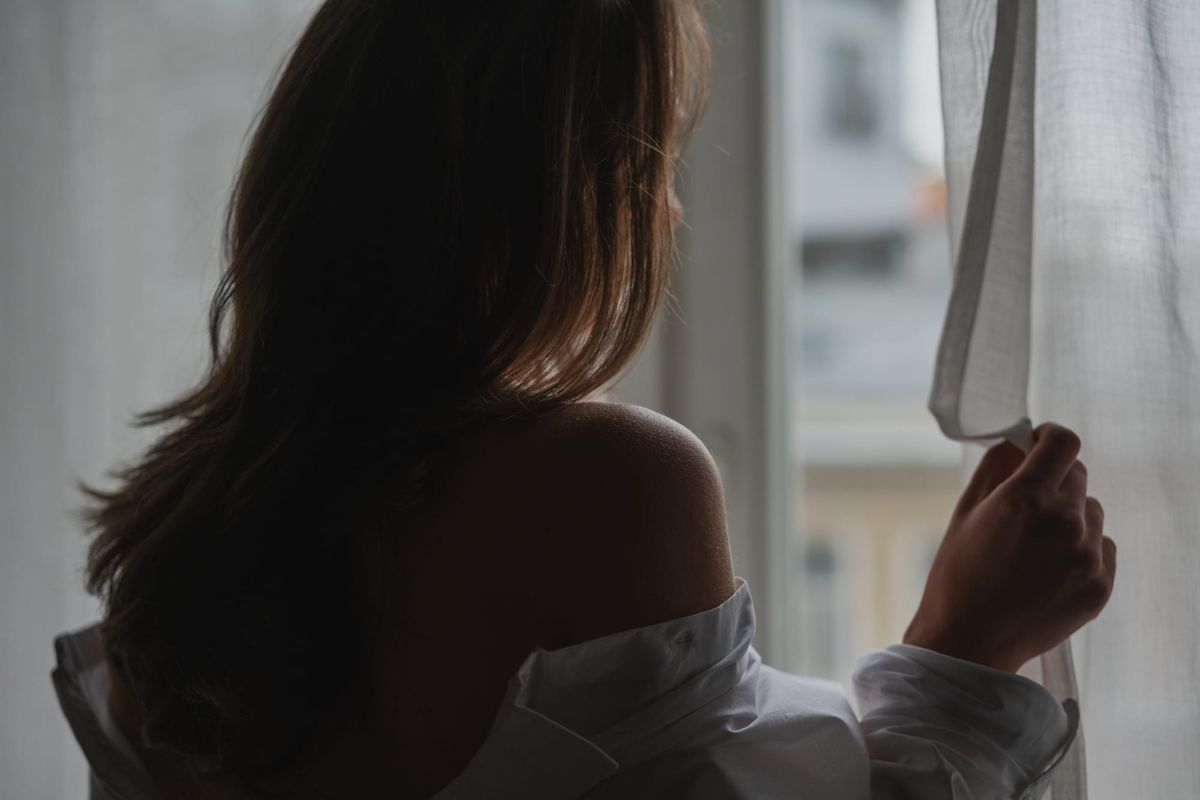
Annie Ernaux gives you seventy pages and takes something from you that you cannot name.
Simple Passion is not, despite its title, simple. It is a forensic account of a woman who has arranged her entire life around a phone that may or may not ring. The man at the other end is married, diplomatic in the professional sense, and almost entirely absent — which is, Ernaux understands, the point. Desire at this register does not require presence. It feeds on the space between appointments.
What Ernaux is documenting is not an affair. It is a structural reorganisation of the self. The narrator stops writing, stops eating in any meaningful sense, stops belonging to her own time. She exists in a permanent state of threshold — dressed, ready, waiting for someone who schedules her in between obligations. The indignity is not hidden. It is the subject.
The precision here is what unsettles. Ernaux does not explain the attraction or excuse the surrender. She simply records it — the euphoria of an unexpected visit, the specific violence of a missed call, the way a week without contact rewrites your entire understanding of yourself. Bruno is barely a character. He does not need to be. The narrator has already made him into something he probably isn't, which is part of the mechanism she is describing.
Beneath the affair is a colder argument about power and its operations. She contorts; he remains unchanged. She accommodates; he appears. It is not a relationship — it is a weather system, and she has decided to stand in it without a coat. Ernaux does not frame this as victimhood. She frames it as data.
The novel ends without resolution because passion does not resolve — it dissipates. What remains is an odd clarity: the recognition that the waiting room was real, the man inside was not, and that the woman who walked out is reassembling herself from whatever was left on the chair.
Ernaux holds the mirror steady and says nothing. That is the discipline. That is also why it lasts.