The Child the Gulf Refused
The Bamboo Stalk* is not about racism. It is about the architecture of belonging — and who designs it.
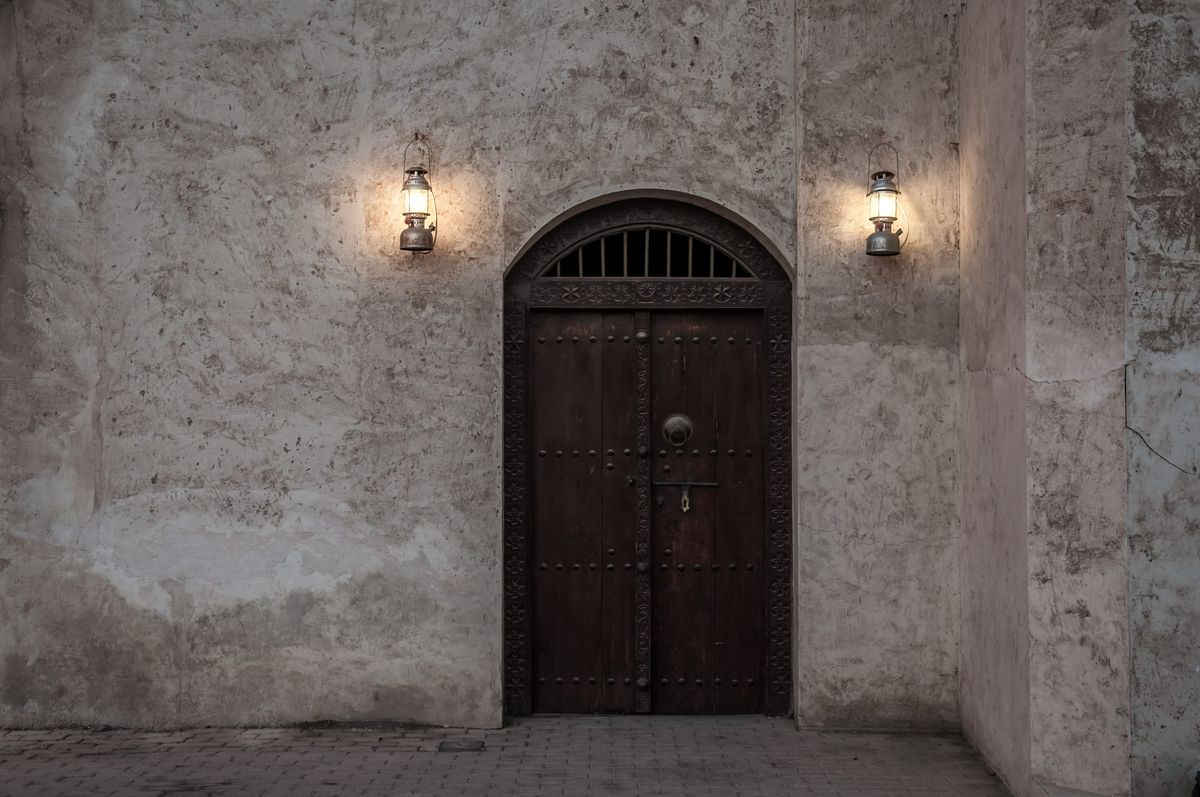
José Mendoza exists. He is real. The problem is that no one can agree on where.
In Kuwait, he is Isa Al Tarouf — the illegitimate son of a Kuwaiti man and his Filipina domestic worker, and an inconvenience the family has metabolized as a secret. In the Philippines, he is José — a stranger who arrives with memories of a country that will not claim him. Between these two poles, he writes his life down. That manuscript is this novel.
Saud Alsanousi's The Bamboo Stalk is narrated in a voice stripped of ornament — flat, precise, and quietly devastating. The restraint is strategic. This is a life lived in the register of understatement, in which the worst things happen not with violence but with silence: a door not opened, an introduction not made, a name not mentioned at a family gathering. Alsanousi understands that exclusion is most effective when it performs as normalcy.
The novel's structure mirrors its subject. Isa's story moves between Kuwait and the Philippines, between childhood and the present, between two versions of himself that neither country recognizes as complete. The bamboo stalk of the title grows wherever it is planted. It survives. What it never does is belong. Alsanousi has chosen this image precisely because survival and belonging are not the same thing, and the novel is uninterested in letting you confuse them.
The Tarouf family — his father's clan — is drawn without caricature. They are not monsters. They are ordinary people who have decided that the order of things matters more than the child who disrupts it. The father sends money. The relatives send silence. This is the particular cruelty of the Gulf's domestic labor system made visible: the worker's labor is absorbed into the household; her child is not.
Alsanousi holds this critique without turning it into a lecture. The Philippines has its own hierarchies, its own ways of deciding who counts. The novel does not offer the comfort of a clean villain or a clean geography. Every setting has its version of the door that doesn't open.
The moral intelligence of The Bamboo Stalk is in what it refuses to argue. It does not claim that Isa deserves better because he is good — he is, but that is not the point. The argument is structural: the system that produces Isa is not an aberration. It is the designed outcome of arrangements that depend on invisibility. The domestic worker's presence must be accepted. Her personhood — and by extension her child's — cannot be.
Late in the novel, when Isa realizes that the woman who has been reading his manuscript is his half-sister, the revelation lands not as plot twist but as structural irony: two people formed by the same man, divided by everything his choices put in place. She has read him, and he didn't know it. They are closer than either imagined. The distance between them was maintained on purpose.
The Bamboo Stalk is not a comfortable novel. Alsanousi has written a book that looks at the Gulf's relationship with migrant labor and asks the question such systems prefer not to hear: what happens to the people produced by the arrangements we have decided not to think about?
Isa is the answer.