The City That Wasn't There
On *The Book Smugglers of Timbuktu*, the manuscripts Europe needed not to exist, and the myth that outlasted everyone who went looking.
They needed Timbuktu to be a myth. A place of gold and sand. A rumor. Something to go toward.
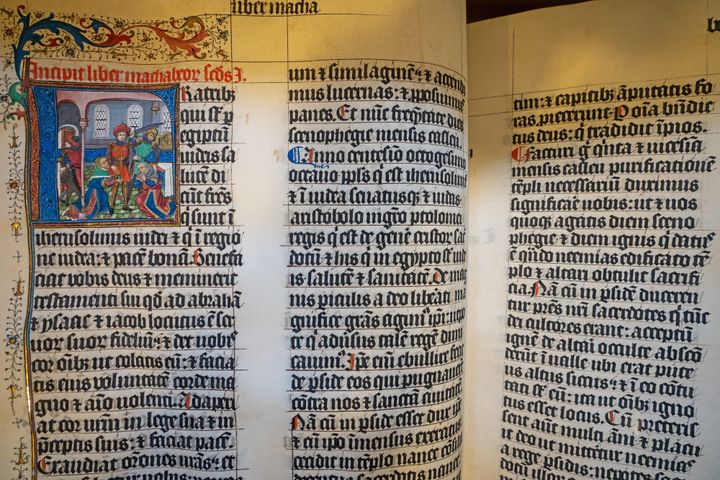
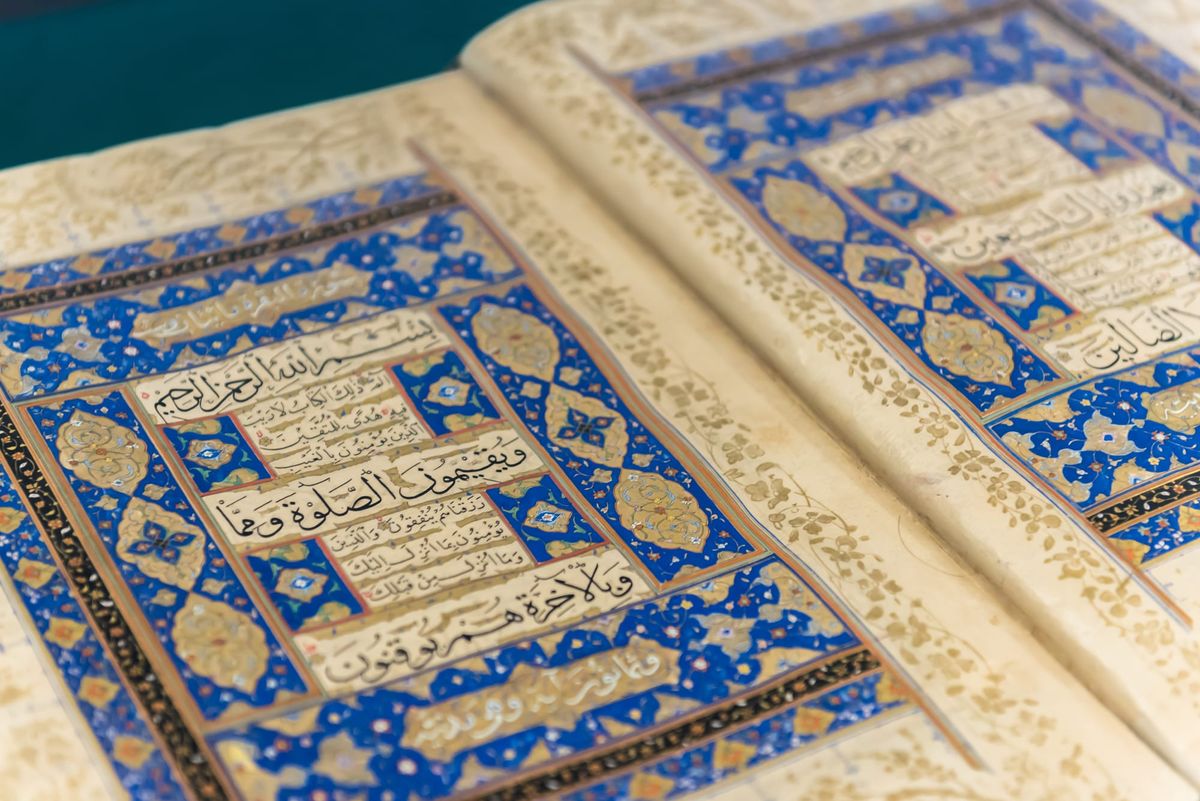
The problem, which Charlie English's The Book Smugglers of Timbuktu arrives at slowly and somewhat reluctantly, is that Timbuktu was real. It had libraries. It had scholars. It had centuries of Islamic thought committed to manuscripts stored in private homes, crumbling repositories, trunks and attics and locked metal cases. This should not be astonishing. It is, somehow, still astonishing. That tells you something.
English's book is two books, held together with varying degrees of success. The first is a history of European obsession: the string of 18th and 19th-century explorers who set off toward Timbuktu with the conviction that whatever they found would confirm what they already believed. Mungo Park went twice and died the second time. René Caillié disguised himself as a Muslim pilgrim, made it in and out alive, and returned to Europe to be largely disbelieved. Major Gordon Laing reached the city and was killed on the way out. These men were brave in the way that people are brave when they have not adequately imagined the consequences. The city they sought — gilded, cosmopolitan, impossible — existed only in the European imagination. The city they found was a trading post with magnificent libraries. They were, in some sense, disappointed by civilization.
The second book is a modern thriller: 2012, jihadist militias sweep into Mali, and a group of manuscript custodians — archivists, librarians, people professionally committed to the survival of documents — begin moving thousands of medieval texts out of the city by whatever means are available. The operation is genuinely dramatic. Clandestine meetings, midnight transfers, borrowed vans, desert smuggling routes. At the end of it: hundreds of thousands of manuscripts preserved.
English is better on the historical folly than on the modern rescue. The contemporary chapters have urgency without texture. We are told repeatedly that these manuscripts are extraordinary — that they upend centuries of racist historiography about African intellectual capacity — but we are shown almost nothing of what they actually contain. The Ark is referenced. The Ark remains sealed. This is a significant failure: a book about the preservation of knowledge that cannot bring itself to share any of that knowledge with its reader.
There is also a problem of inflation. As the rescue operation grows in retrospective significance, the manuscript numbers grow with it — from thousands to hundreds of thousands, a figure that arrived with the Western funding that followed. Whether the manuscripts multiplied or simply became more countable is a question English raises and declines to answer. In this, he may be faithful to his subject. Timbuktu has always been a place where hard facts soften at the edges. The myth absorbs everything.
What The Book Smugglers of Timbuktu does well — and it is worth saying clearly — is make the political stakes of cultural destruction legible. The militias who destroyed Timbuktu's mausoleums were not simply destroying buildings. They were destroying evidence — of Islamic plurality, of African scholarship, of a version of the faith that the modern caliphate project finds inconvenient. That the manuscripts survived is a small, significant triumph. That the West treated their existence as a discovery rather than a confirmation tells you precisely how the myth has always functioned.
English's book is not the definitive account its subject deserves. That account would require someone willing to open the manuscripts and read them. What it does instead is show that Timbuktu has never been what people needed it to be — and that the gap between the imagined city and the real one has cost more than the explorers who disappeared going looking for it.