The Iraq That Is Already Gone
Antoon's novel does not ask whether Iraq's Christians should stay or leave. It asks what it means to love a place that no longer exists.
Youssef will not leave. He has decided. Post-Saddam Baghdad is chaotic and indifferent to his survival, but it is the city he knows, and he believes — with the specific stubbornness of someone who has not yet admitted what he already understands — that the violence is temporary. That the Iraq he has always known is still present somewhere beneath the rubble, waiting to be recovered.
Maha knows otherwise. Her bags are effectively packed. She is waiting only for the paperwork that will convert her desire to leave into a legal category the world recognizes. She does not have Youssef's faith in the persistence of familiar things, because she has been paying closer attention.
Sinan Antoon's The Eucharist holds both of them in careful tension and declines to resolve it — which is the novel's essential act of honesty. These are not two positions in a debate. They are two responses to the same loss, and both are, in their own way, correct. Youssef is right that leaving is a form of surrender. Maha is right that the Iraq they both love is already gone. The novel's tragedy is that being right does not make either position livable.
Antoon writes about Iraq's Christian community with the intimacy of someone who understands what it costs to belong to a minority in a country that cannot decide what kind of place it wants to be. The Eucharist of the title is not purely religious — it is also civic. The act of remaining, in Youssef's understanding, is a sacrament: a declaration that this place and its people are worth staying for. What the novel shows, without editorializing, is that sacraments performed before an empty altar are a different kind of gesture entirely.
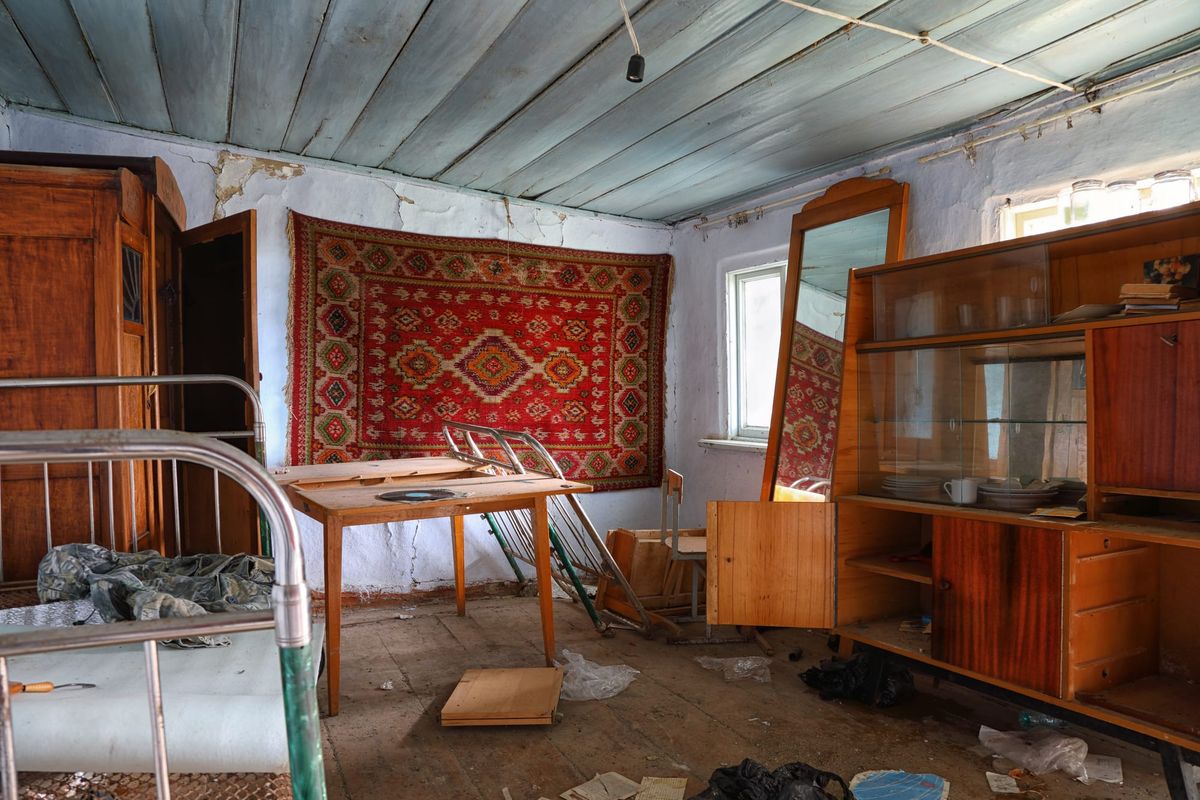
The prose is spare and precise. Antoon threads images of the Iraq that persists beneath the violence — palm trees, jasmine, the texture of streets that still know their names — not to romanticize what has been lost but to make legible what is at stake. The country these characters are grieving is specific. It is not an abstraction called Iraq. It is a neighborhood, a kitchen, a set of relationships that no longer have the place that made them possible.
The Eucharist is a short novel. It carries more than its size suggests. What it offers is not comfort or resolution but clarity — the specific clarity of a writer who understands that the most honest thing you can say about an impossible situation is that it is impossible, and that people are living inside it anyway.