The Last Time You Notice
A Paris steakhouse on its final lease, a Le Creuset orange that no longer exists, and the kind of attention that only shows up once. May We Suggest — five things worth noticing, once..
The waiter brings the steak before you've ordered anything, because there is nothing to order. This has been true here since the 1950s — one dish, a green salad first, the steak after, the sauce a secret that several restaurants now claim as their own. You eat. The room is loud in the way rooms are when everyone is having roughly the same experience at the same time.
This particular room, on rue Marbeuf, is closing when the lease runs out. The format will continue elsewhere — other addresses, the same steak, the same sauce — so nothing is really ending, except this room, this exact configuration of tables and the particular angle of afternoon light through the window facing the street. You will not notice this on your first visit. You notice it on what turns out to be your last, when you find yourself looking at the room itself for the first time in years.
The orange of a vintage Le Creuset pot — the original "Flame," mixed by hand from a 1925 formula that exists now only in fragments — is not the same orange the company makes today. Close, but not identical. The new colour is called "Volcanic." The old one was called "Flame."
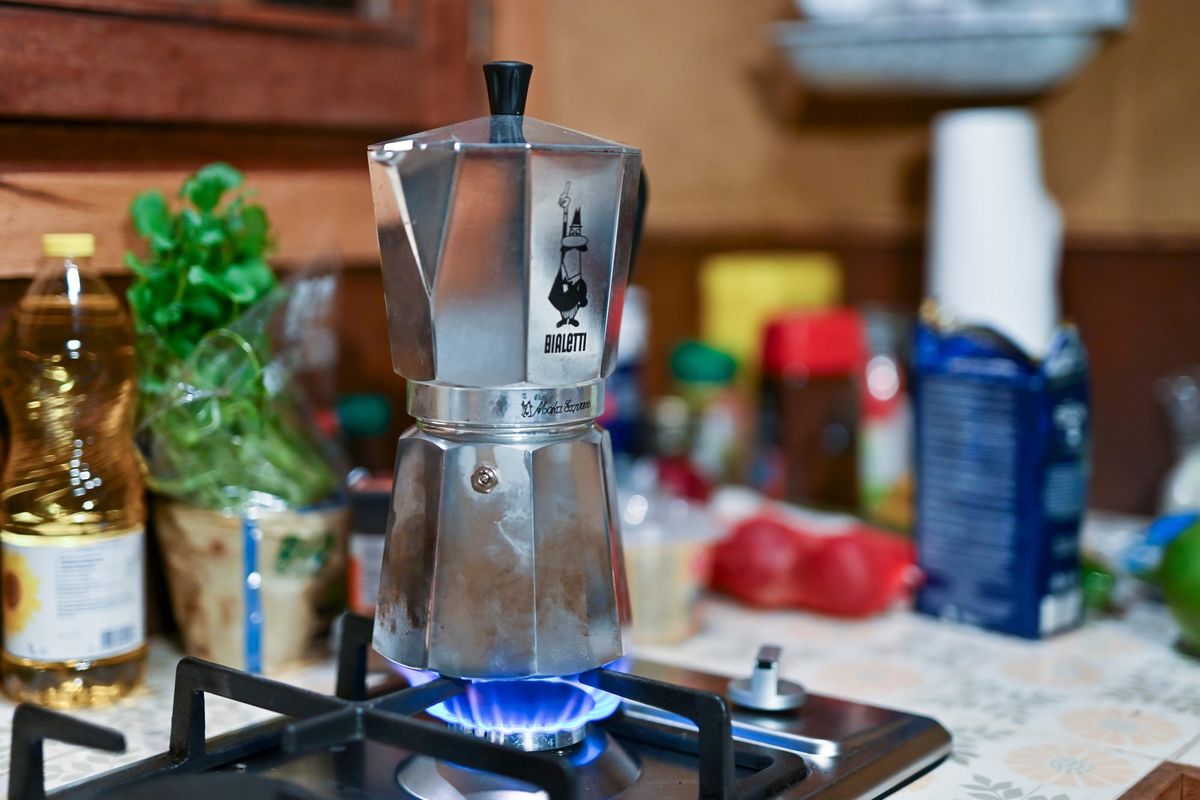
A moka pot is a moka pot — the shape hasn't changed in ninety years, and won't, because there's no need. What has changed is where it's made and what it's made of, gradually, in percentages that don't show up on the box. The aluminium ones, made in Italy, in the original factories, still exist. They are simply a shrinking proportion of what's on the shelf, which means that at some point — not announced, not dramatic — buying one becomes a choice rather than a default.
In a few shops along the Ligurian coast, tuna is still cured and packed by hand, sold loose from a barrel by weight, the way it has been for a long time. The pan bagnat made with this tuna tastes different from the tinned version — not better in an obvious way, just different, in the way that things made by someone who has done it for forty years are different from things made by a machine that has done it for forty years. The shops doing this are fewer than they were. The process takes a full day, and the people who know how to do it are retiring.
M.F.K. Fisher's The Cooking of Provincial France was published in 1968 as part of a series that no longer exists — illustrated, hardbound, written by people who could write, for readers assumed to be capable of following them. The book has been out of print for decades. You can find it secondhand, usually for very little money, because nobody else wants it either. Fisher writes about each region of France as though it were a complete way of understanding the world, which she clearly believed, and which the book makes you briefly believe too. It is not a cookbook in the sense that you will cook from it. It is a cookbook in the sense that it teaches you how someone thought about food when thinking about food was allowed to take this long.
None of these things is disappearing because they failed. They are disappearing the way that anything disappears when the conditions that produced it stop being renewed — quietly, administratively, without anyone deciding it should happen. The steak will still be good at the other locations. The moka pot will still work. But there is a version of attention that only shows up once you know something is finite, and it is, for whatever reason, a better kind of attention than the one you had before.