Made by Hand, On Purpose
It is not that hands are better than algorithms. It is that certain materials contain problems that can only be solved in person, and the solving of them produces knowledge that cannot be abstracted without being lost.
The Object — The Ghannouj Gazette
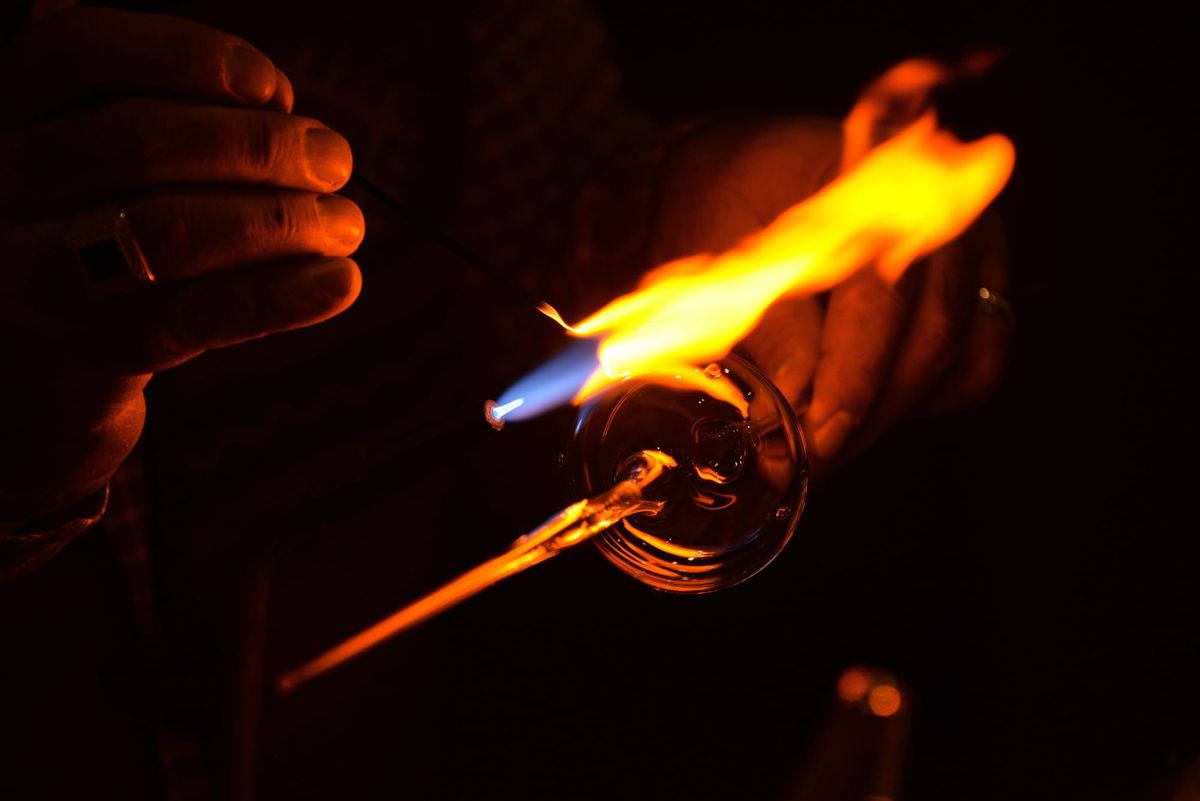
There is a moment, in the making of blown glass, when the glassblower stops. Not because the piece is finished. Because the material has become legible. The colour of the gather — the molten mass at the end of the blowpipe — has shifted from orange to a particular yellow, and what that yellow means is: now. Not in a second. Now. The knowledge that reads this is not in the eyes. It is distributed across years of standing in front of heat, and it lives in the body the way language does — below the level of decision.
This is not a story about craft as resistance. It is a story about where knowledge goes when it cannot be filed.
In 2026, the return of making to the centre of design culture is being narrated, mostly, as a reaction — against screens, against AI, against the condition of producing things that cost nothing to copy. London Craft Week framed its most recent edition around the human touch as a counterweight to overload. Craft x Tech Japan, now in its second edition, centres on a single premise: that craft is not static or nostalgic but a living body of knowledge that can continue to shape the future of design and culture. These are not wrong framings. They are just partial ones. The more precise argument is this: what the hand knows is a form of intelligence, and certain materials will only yield it to someone willing to be refused.
The Japanese glassblowing tradition lacks a word for the pause before intervention. It simply has the pause. What distinguishes a practitioner at ten years from one at thirty is not technique in any transferable sense — it is the ability to wait correctly, to read the material's intention before imposing one's own. There is a concept in Japanese craft culture of ma — the charged interval, the productive gap — and what the glassblower is doing is not resting. They are in conversation. The object being made is not yet an object. It is still a negotiation.
What no process optimises for is the moment when intervening would ruin it. That knowledge has no upstream.
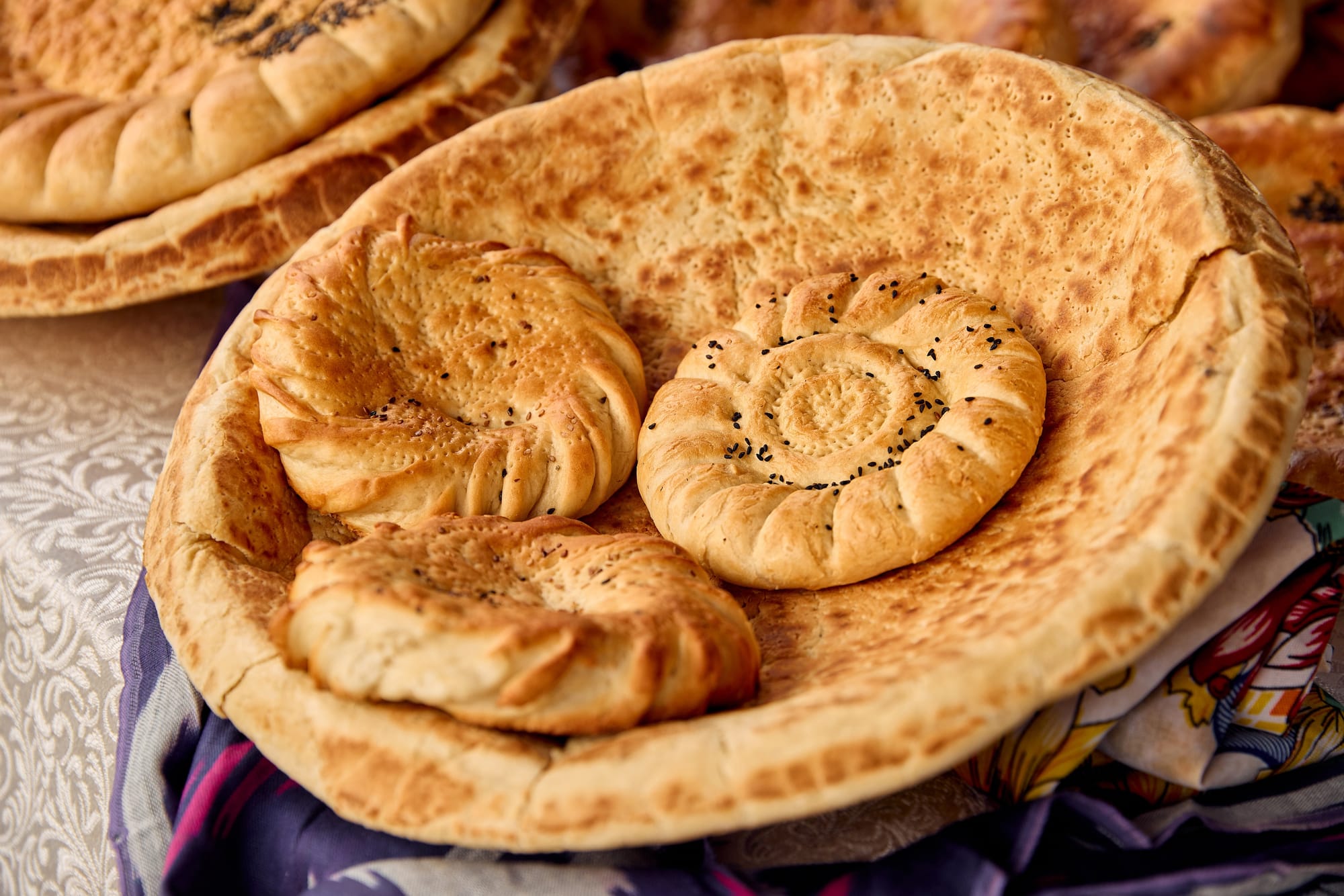
The checkich stamp is a carved wooden disc, usually palm-sized, pressed into bread dough before baking to leave a geometric pattern in the crust. In Uzbekistan, the designs are regional, sometimes personal — a baker's signature pressed into every loaf, a vocabulary of form that outlasted the pressure of the Soviet period toward mechanisation, toward the standardised sandwich loaf produced in quantity and eaten without ceremony. The chekich was not hidden. It was simply ordinary, which turned out to be the more durable condition.
At the When Apricots Blossom exhibition at Palazzo Citterio during Milan Design Week 2026 — twelve international designers responding to the craft traditions of Karakalpakstan, a region in northwestern Uzbekistan defined as much by the ecological collapse of the Aral Sea as by its making culture — the checkich appeared in contexts ranging from ceramic tile to woven textile. What was striking was not the translation but the grammar: these forms carry spatial logic. They are not decoration. They are a system of thought about surface, about division, about what a flat plane means when it is activated. The artisan pressing the stamp into dough is not being expressive. They are being correct.
The distinction matters more than it sounds.
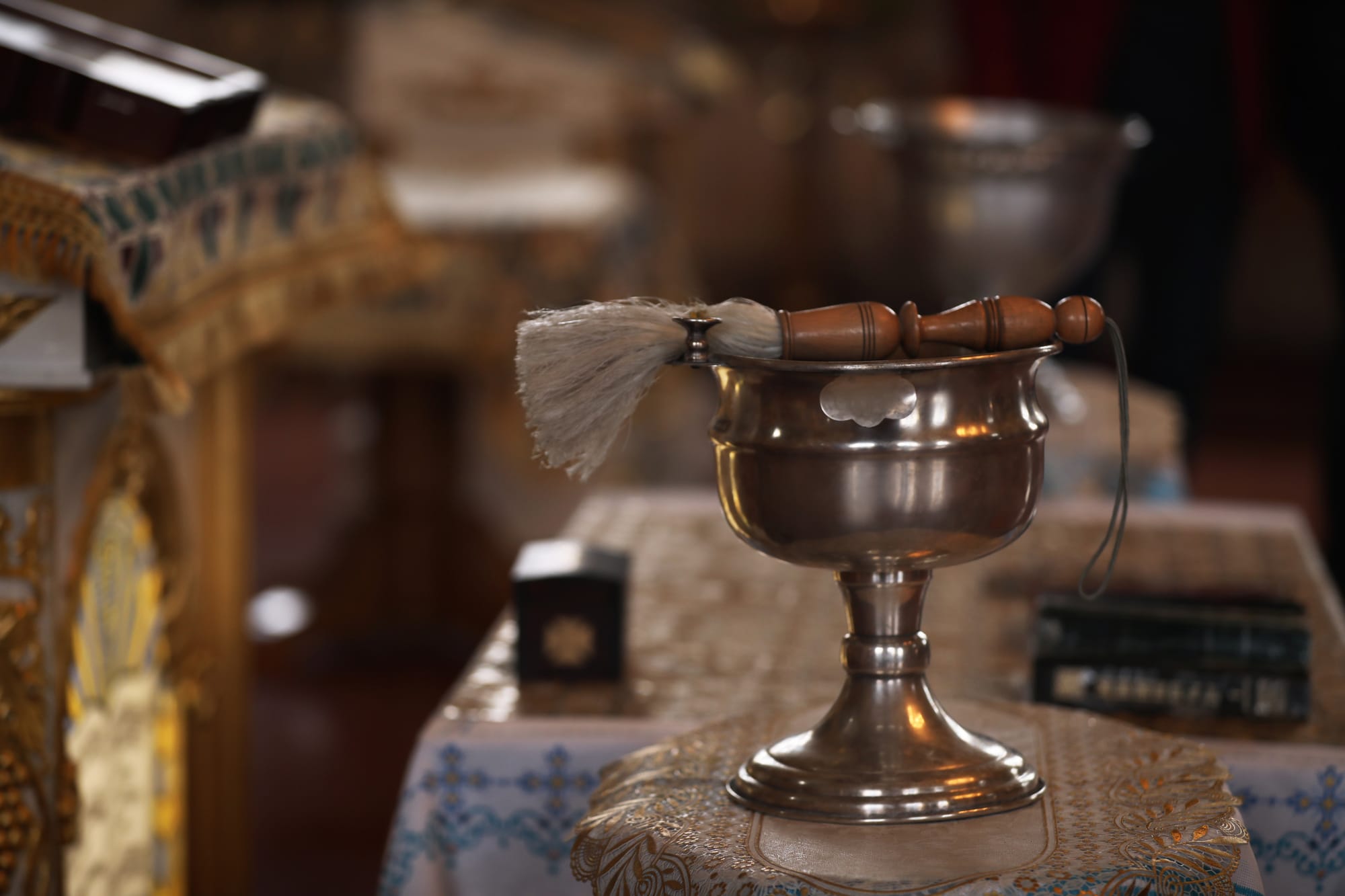
Stuart Devlin was the wrong reference. The right one is harder to name — a silversmith working in the Scottish tradition whose forms arrive from geology rather than market. Not Highland romanticism. Something more structural: how silver behaves in cold conditions, the weight of objects designed for hands that work outdoors. The tradition does not separate technique from place because it never needed to. The landscape is in the making the way accent is in speech — not performed, simply present.
In 2026, this work is being named as important. The naming is not the problem. The problem is when the naming substitutes for the object. A silversmith whose forms carry the logic of a specific coastline cannot be appreciated through documentation. The piece has to be held. The weight is the argument.
What connects a Japanese glassblower, a Karakalpak bread stamp, and a Scottish silversmith is not craft as category. It is a shared condition: the material resists, and the resistance is the point. Glass holds heat differently than the hand expects. Dough yields to the right pressure, not the wrong one. Silver in a cold workshop behaves according to rules that are learnable only by being there, repeatedly, over time.
This is what makes the framing of craft as counterweight to AI slightly beside the point. It is not that hands are better than algorithms. It is that certain materials contain problems that can only be solved in person, and the solving of them produces knowledge that cannot be abstracted without being lost. The frictionless is not faster. It is a different thing entirely.
The objects around you were made by someone who knew something in the making that you will never know from the object. In most cases, that knowledge has nowhere to go. In some cases — the glass, the stamp, the silver — it went into the thing itself, which is why the thing feels different when you hold it.
Not better. More specific. And in 2026, specificity is the rarer material.