The Wall He Was Watching - The Shell by Mostafa Khalifa
Mostafa Khalifa spent thirteen years in Tadmor. The Wall He Was Watching doesn't dramatise that. It reports it — and the distinction is the entire argument.
Mostafa Khalifa is arrested at Damascus airport before he reaches the luggage carousel. He has just returned from film school in Paris. The charge is never formally stated — something about a joke, at a dinner party, reported by someone in the room. Within hours, he is inside Tadmor.
The Shell does not ease you in. It begins where most books would not dare to end.
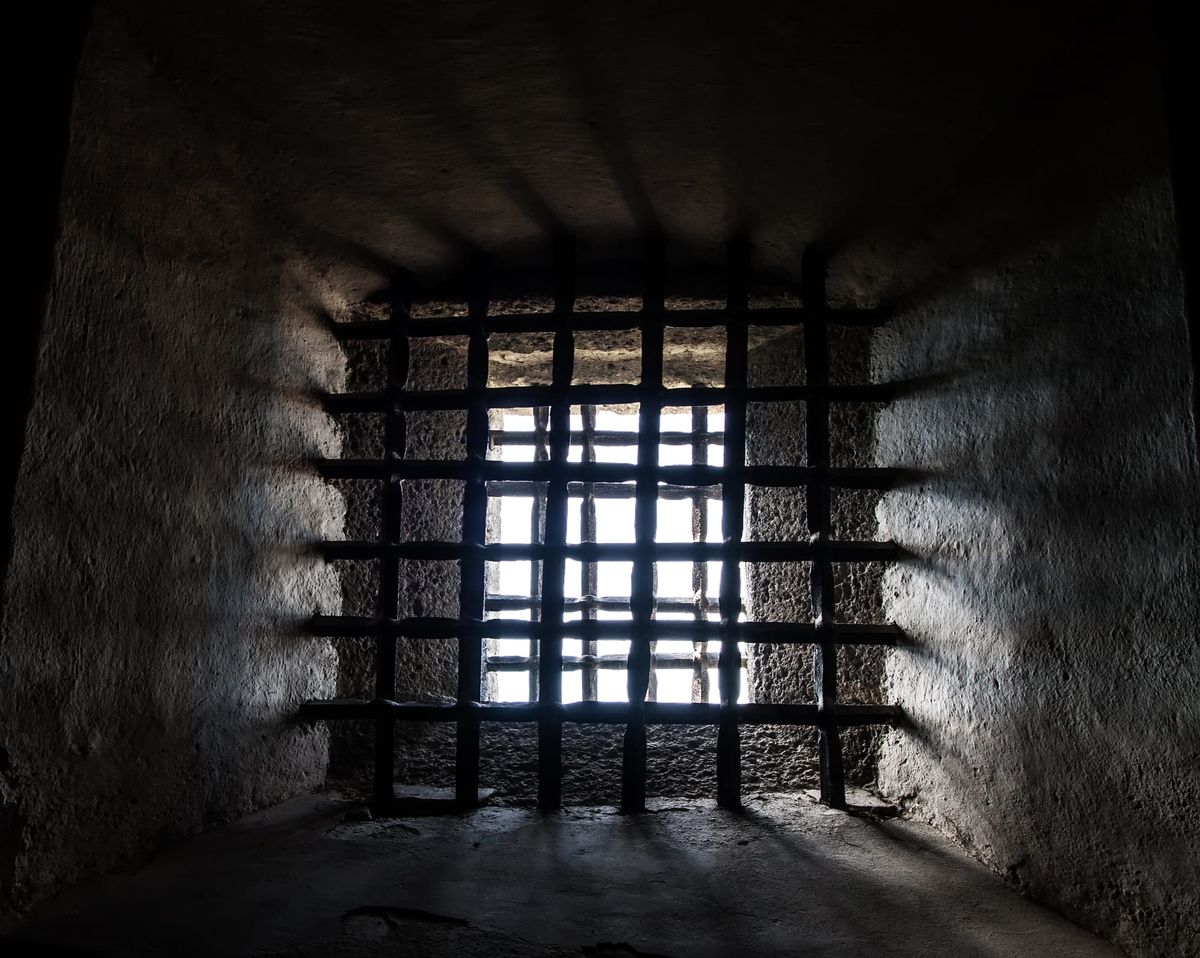
Tadmor Prison, in the Syrian desert, was not a detention facility in any conventional sense. It was a system — designed, staffed, and sustained over decades — for the removal of personhood. Men were not punished there so much as they were processed: stripped of name, of language, of time, of the small dignities that allow a person to remain one. Khalifa is placed with Islamist detainees by bureaucratic error, ostracised immediately upon revealing he is Christian and, worse, an atheist. He spends thirteen years, three months, and thirteen days inside. He counts because counting is one of the few acts they cannot prohibit.
What Khalifa does with this material is the formal argument of the book. He does not dramatise. He does not editorialise. He reports — with the restraint of someone who understood early that feeling too much in that place was a form of structural collapse — and the effect is devastating precisely because of what he withholds. Torture appears in the text the way weather appears in a farmer's diary: as fact, with frequency noted. Prayer is a capital offence. Food is a calculation. Medicine does not exist. The horror is not exceptional; it is routine, and Khalifa's prose insists on that routineness without ever making it bearable.
Then, against this, something that the book refuses to sentimentalise but also refuses to diminish: men, in the depths of it, choosing one another. A prisoner standing to receive a beating meant for someone else, too weak to stand but standing. A piece of bread passed to the man no one will speak to. These are not moments of triumph. They are moments of plain, costly decision — and they are the moral architecture of the book. Not what Tadmor did to these men, but what these men did, inside Tadmor, with almost nothing left.
Khalifa does not ask for pity and does not offer catharsis. He emerges from the prison and the book ends without resolution, because there is none. The shell — the body that continues, that walks out, that eventually writes — is not the same as the person who walked in. That distinction is the title's precision, and it is the book's most honest claim.
The Shell is an account of policy — of what a state is capable of sustaining, quietly, over years, with paperwork and shifts and ordinary men doing their jobs. It is also, in its smallest moments, an account of what survives that. Not intact. Not triumphant. But present.
The men who didn't write their way out are still in those pages, unnamed. That is not a metaphor. That is the weight the book carries, and passes on.