The Person Behind the Counter
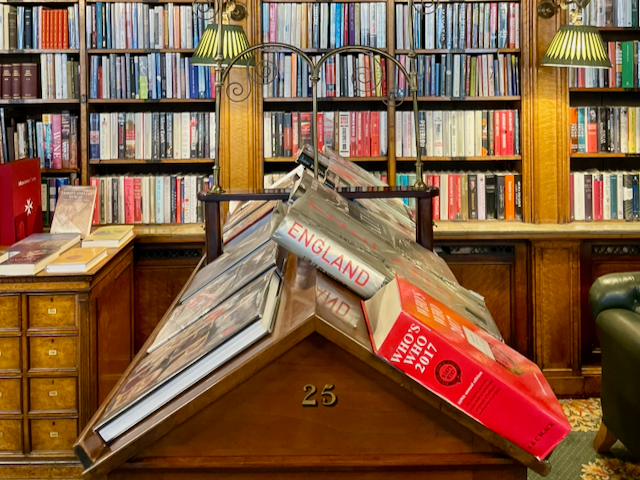
The table near the door holds seven books. Not a hundred. Not a rotating display of whatever arrived on the lorry this week. Seven titles, faced out, each with a hand-lettered card that says something specific — not "moving," not "essential," but: the author spent four years in the archive and it shows. You can disagree with the selection. You cannot accuse it of indifference.
This is what an independent bookshop actually is: the extended taste of a specific person, made physical and available to strangers.
The conversation about why independent bookshops are surviving — and they are, in numbers that surprised the people who had written the obituary — tends to reach for the obvious explanations. People want to touch things. Screens are tiring. These observations are not wrong. They are also not the point.
The point is what happens when you ask for a recommendation. On a platform, the recommendation is a function of what you have already bought, what people who bought that also bought, and what the algorithm has been paid to surface. The process is frictionless and circular. It returns you to yourself. The person behind the counter does something structurally different: they recommend what they think you should read, which is not always what you want, and is occasionally something you would never have chosen. The distinction is not sentimental. It is operational.
A recommendation with skin in the game carries different weight. The bookseller who tells you to read a particular novel is staking something — their taste, their credibility, the next time you walk through the door. This is criticism with consequences. The algorithm stakes nothing and is therefore accountable to nothing.
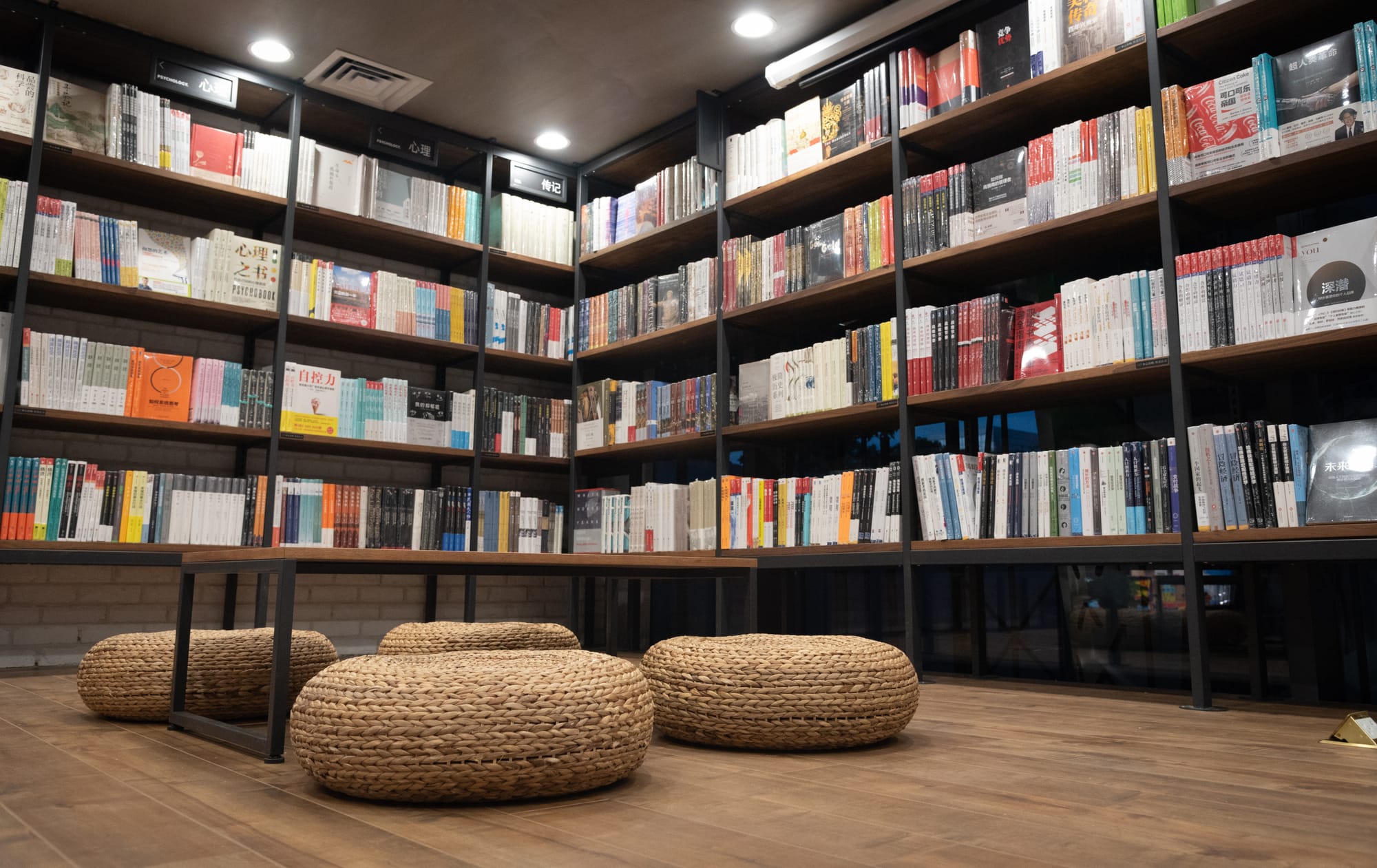
It is worth being precise about what the algorithmic recommendation has done, because the critique of it is often vague. It has not destroyed reading. It has narrowed the effective radius of what gets read. The books that circulate most widely are the books the algorithm already knows will circulate — because they resemble books that have circulated before. New work, strange work, work that requires context or a particular kind of attention, tends to find its readers through other channels or not at all. The platform is not hostile to literature. It is indifferent to it in the specific way that only scale can produce.
The bookseller is not indifferent. This is their professional condition, not a personality trait.
The shops that have opened in the last decade with the clearest identities — the ones that move books no algorithm would have surfaced, that have become shorthand for a certain kind of literary seriousness — share a common quality. They are edited. Not curated in the word's current diluted usage, but edited in the older, harder sense: someone has made decisions about what belongs and what does not, and those decisions have been made on intellectual rather than commercial grounds. Or, at minimum, the intellectual grounds have been argued for explicitly enough that the commercial has had to accommodate them.
The result is a room that argues with you before you have opened anything. The selection is a position. You can walk in and feel the disagreement immediately, which is a different experience from feeling nothing at all.
This is what the bookshop revival is actually a revival of: the authority of the individual recommendation. Not expertise in the credentialed sense, but expertise in the older sense — someone who has read widely enough, and thought carefully enough about what they have read, to say this one with conviction. The platform cannot do this. It can approximate it at scale, which is not the same thing, and increasingly, readers seem to know the difference.
To walk into a bookshop and buy what a stranger recommends is a small act of trust in human judgment. That it now feels deliberate — that it requires choosing rather than defaulting — tells you how much has shifted. The bookshop did not become an institution when it began to survive. It became one the moment the person behind the counter became the point.
The Shelf | The Ghannouj Gazette | June 2026